

The government of the United Kingdom has introduced significant visa and immigration changes taking effect in 2026, and Nigerians planning to travel, live, work, or study there need to understand these updates before applying. The changes form part of a broader reform of the UK’s immigration system to modernise processing and respond to pressure on borders.
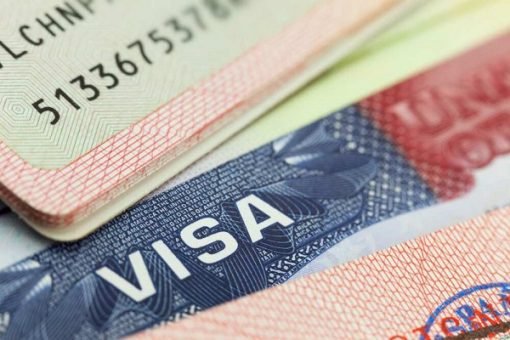
One of the key developments is the UK’s move to electronic visas (eVisas) for most applicants, including Nigerians. Starting from 25 February 2026, the UK will stop issuing physical visa stickers in passports. Instead, successful applicants for visit visas, work visas, and study visas will receive their status electronically through an official account with UK Visas and Immigration, making it easier to access and harder to lose or tamper with. This digital transition aims to speed up processing and security, although applicants must still complete the normal online application and attend a Visa Application Centre for biometric submission as required.
At the same time, the UK has introduced a “visa brake” policy affecting certain nationalities and visa categories. Under this policy, applications for a Student visa submitted from outside the UK by nationals of specific countries will be automatically refused if made on or after late March 2026. While Nigerian nationals are not on the list for these automatic refusals, the policy highlights the UK’s tighter controls on certain routes. Prospective applicants should check the official guidance on GOV.UK Visa Brake Updates before applying.
Another notable change affecting many immigration applications is the English language requirement. Applicants for certain work routes, such as the Skilled Worker visa, may need to demonstrate a higher level of English proficiency — often at B2 level (upper-intermediate). This requirement forms part of broader reforms to help migrants integrate successfully into UK society.
While these changes reflect a tightening of the immigration system, the Skilled Worker route remains one of the main pathways for Nigerians with job offers from UK employers. Applicants will still need to meet eligibility thresholds, including employment by an approved sponsor and proof of sufficient funds.
For students, the core criteria for study visas still include acceptance by an approved UK educational institution and evidence of adequate funds to support one’s stay. The combination of stricter requirements and administrative reforms means applicants should plan carefully and ensure their documents comply fully with official guidelines.
Nigerian applicants should always consult the official UK government visa pages and how to apply for a UK visa to get the most up-to-date requirements and step-by-step instructions before starting their application.
Despite the reforms, many Nigerians continue to successfully obtain UK visas each year for work, study, family, and travel. With careful preparation, understanding of the updated rules, and adherence to all documentation requirements, applicants can still pursue their goals of living, studying, or working in the United Kingdom.






Leave a Comment