

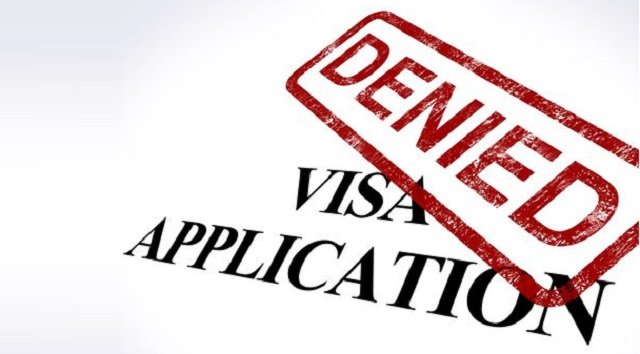
Every year, thousands of international students apply to study in the United Kingdom and Canada, but a significant number of applications are rejected due to avoidable mistakes.
Immigration authorities carefully evaluate each application to ensure applicants meet academic, financial, and immigration requirements. Understanding the common reasons for visa refusal can help prospective students prepare better and improve their chances of approval.
One of the most common reasons for visa rejection is insufficient proof of funds. Immigration authorities require students to demonstrate that they can cover tuition fees and living expenses during their stay. According to the financial requirements outlined by the UK government on https://www.gov.uk/student-visa/money, applicants must show adequate funds before applying for a UK student visa.
Similarly, Canada requires proof of financial capacity for a study permit, and full details can be found on the Canadian immigration website at https://www.canada.ca/en/immigration-refugees-citizenship/services/study-canada/study-permit.html.
Another frequent cause of visa refusal is incomplete or incorrect documentation. Missing documents such as admission letters, financial statements, or academic records can result in immediate rejection.
For the UK, applicants must obtain a Confirmation of Acceptance for Studies (CAS) from a recognised institution before applying for a student visa. The official application process is explained on the UK government portal at https://www.gov.uk/student-visa/apply.
A weak or unclear study plan is another factor that can lead to rejection. Visa officers want to ensure that applicants genuinely intend to study and not use the visa as a pathway for illegal immigration.
Students are usually expected to explain their academic goals, the relevance of their chosen course, and how it aligns with their career ambitions. Canadian authorities particularly require applicants to submit a clear statement explaining their purpose of study when applying through the official immigration portal.
Poor English language test scores can also lead to visa rejection. Many universities require proof of English proficiency through exams such as the International English Language Testing System (IELTS).
Students can find details about the exam and registration through the official IELTS platform at https://www.ielts.org. Applicants who do not meet the minimum language requirements may be denied admission or have their visa applications rejected.
Another common issue is the lack of strong ties to the applicant’s home country. Visa officers assess whether students are likely to return home after completing their studies. If an applicant fails to show strong connections such as employment prospects, family ties, or property ownership, immigration authorities may question the applicant’s intent and refuse the visa.
Providing inconsistent information in the application is another major reason for visa denial. Differences between financial documents, academic records, and personal information can raise suspicion and lead immigration officers to believe that the applicant has provided misleading information.
Finally, previous immigration violations or travel history issues can negatively affect visa approval. Applicants who have previously overstayed visas, violated immigration rules, or provided false information in past applications may face stricter scrutiny during the visa process.
Applying for a student visa to the UK or Canada requires careful planning and strict adherence to official guidelines. By reviewing the visa requirements and preparing complete documentation through the official government platforms such as https://www.gov.uk/student-visa for the UK and https://www.canada.ca/en/immigration-refugees-citizenship/services/study-canada.html for Canada, prospective students can significantly increase their chances of securing a successful visa application.






Leave a Comment